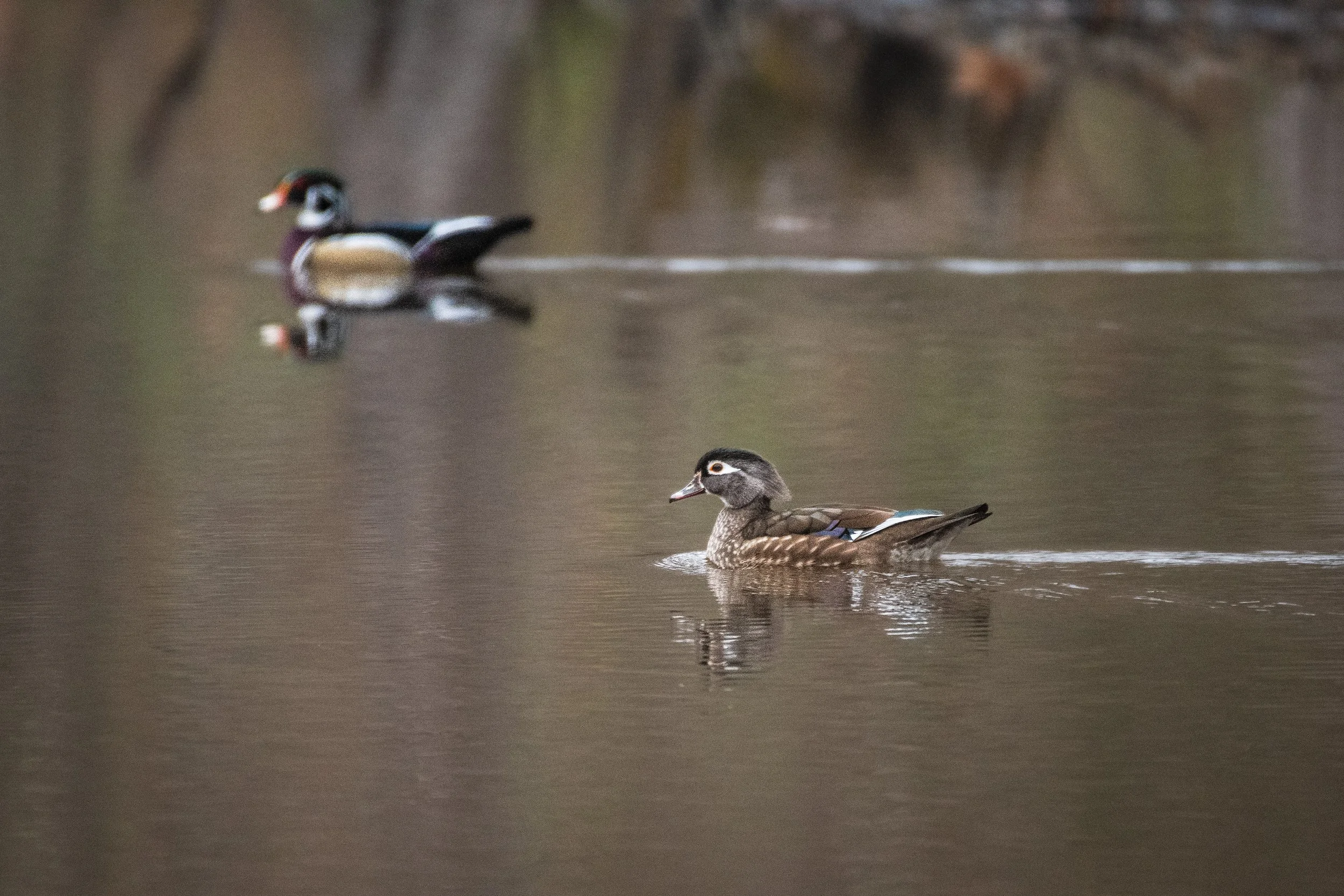
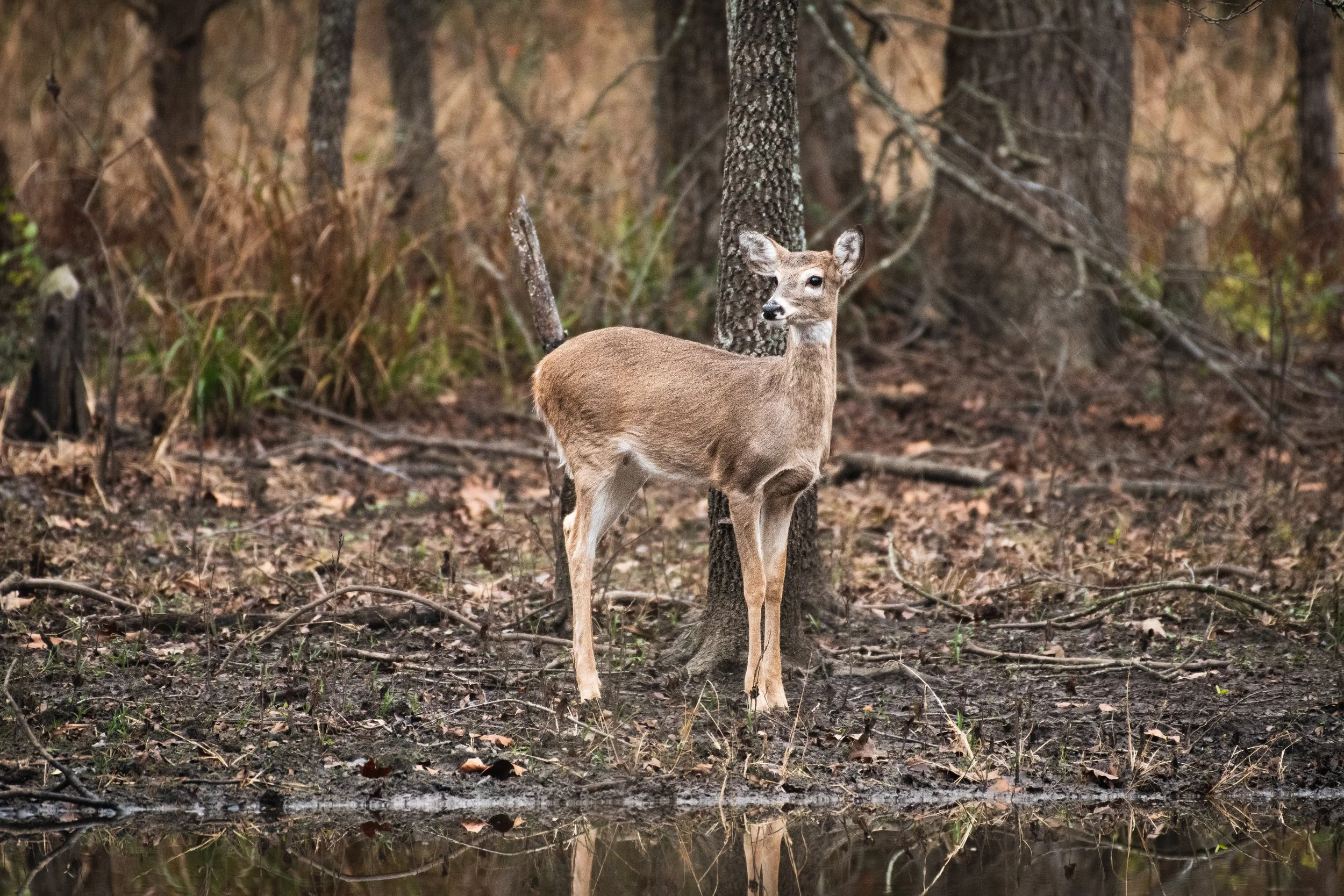
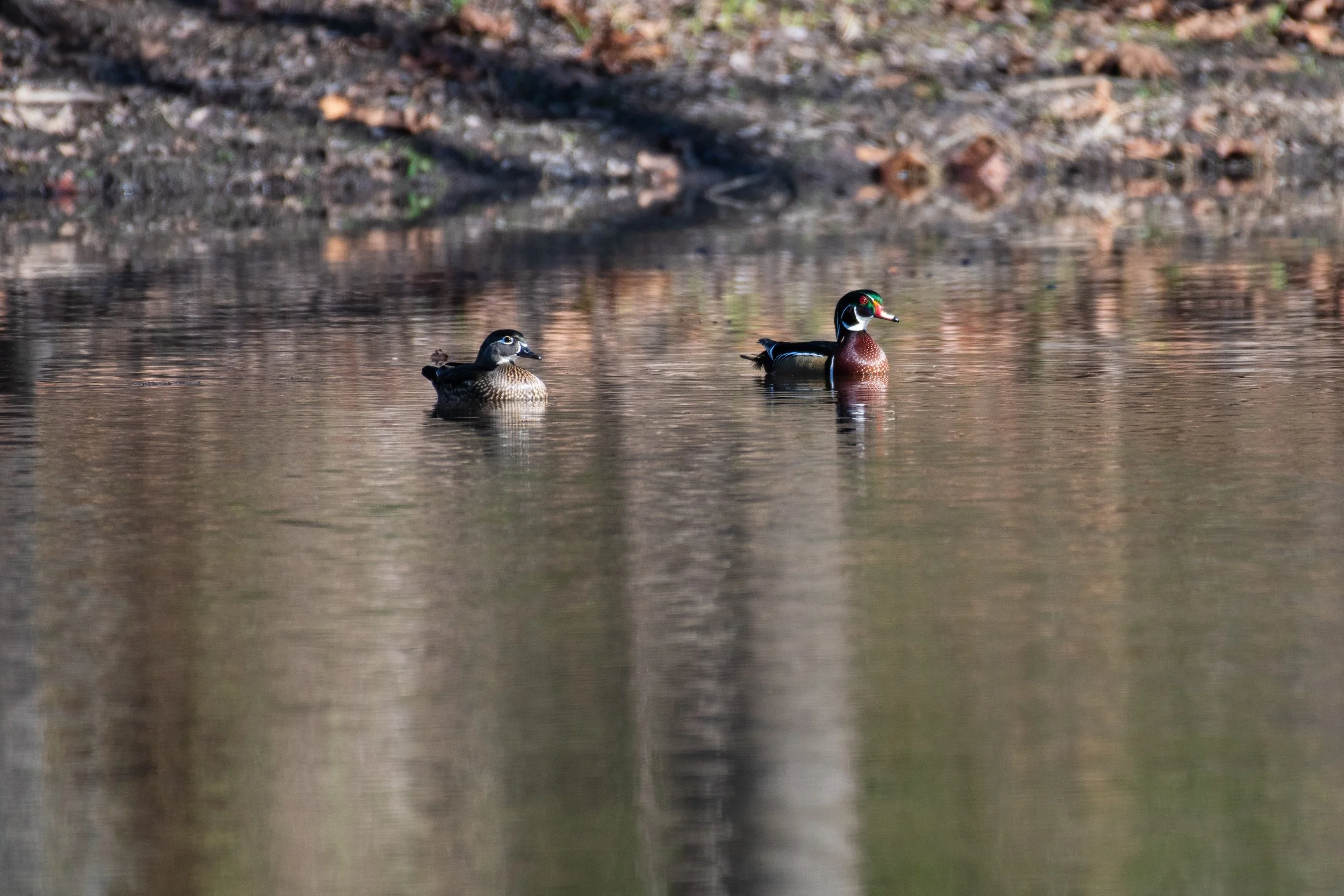
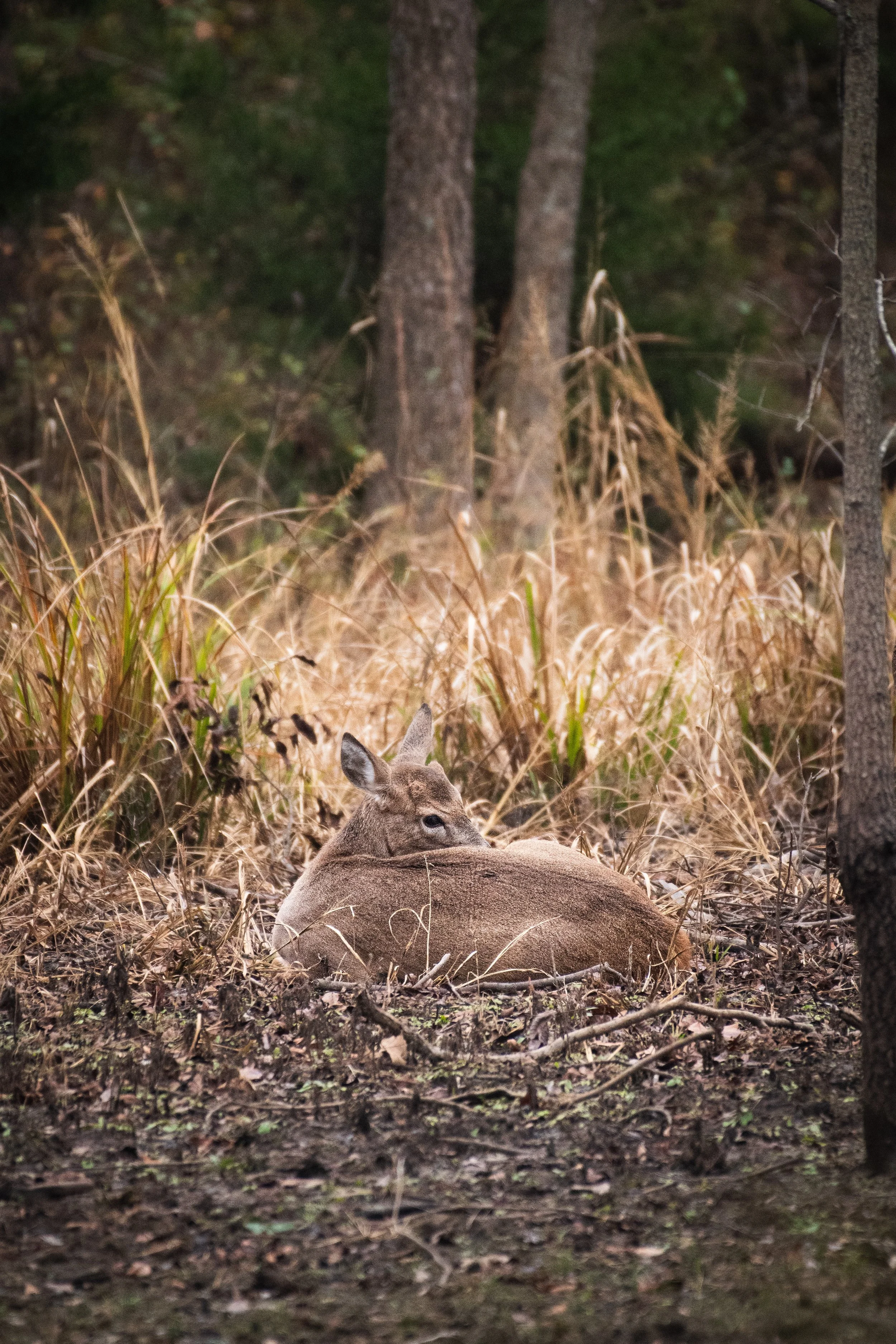
I Had a Super-Tele For a Minute
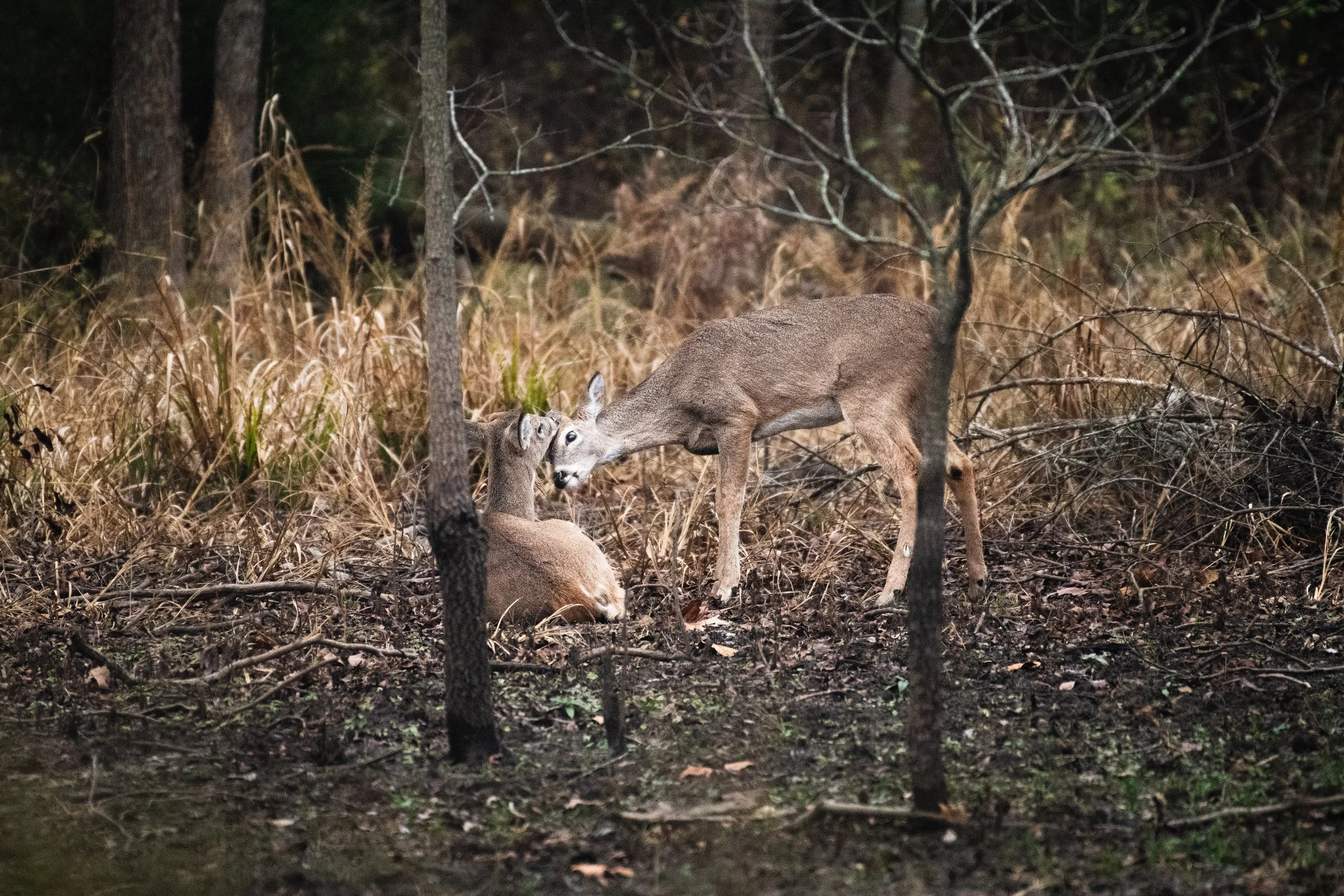
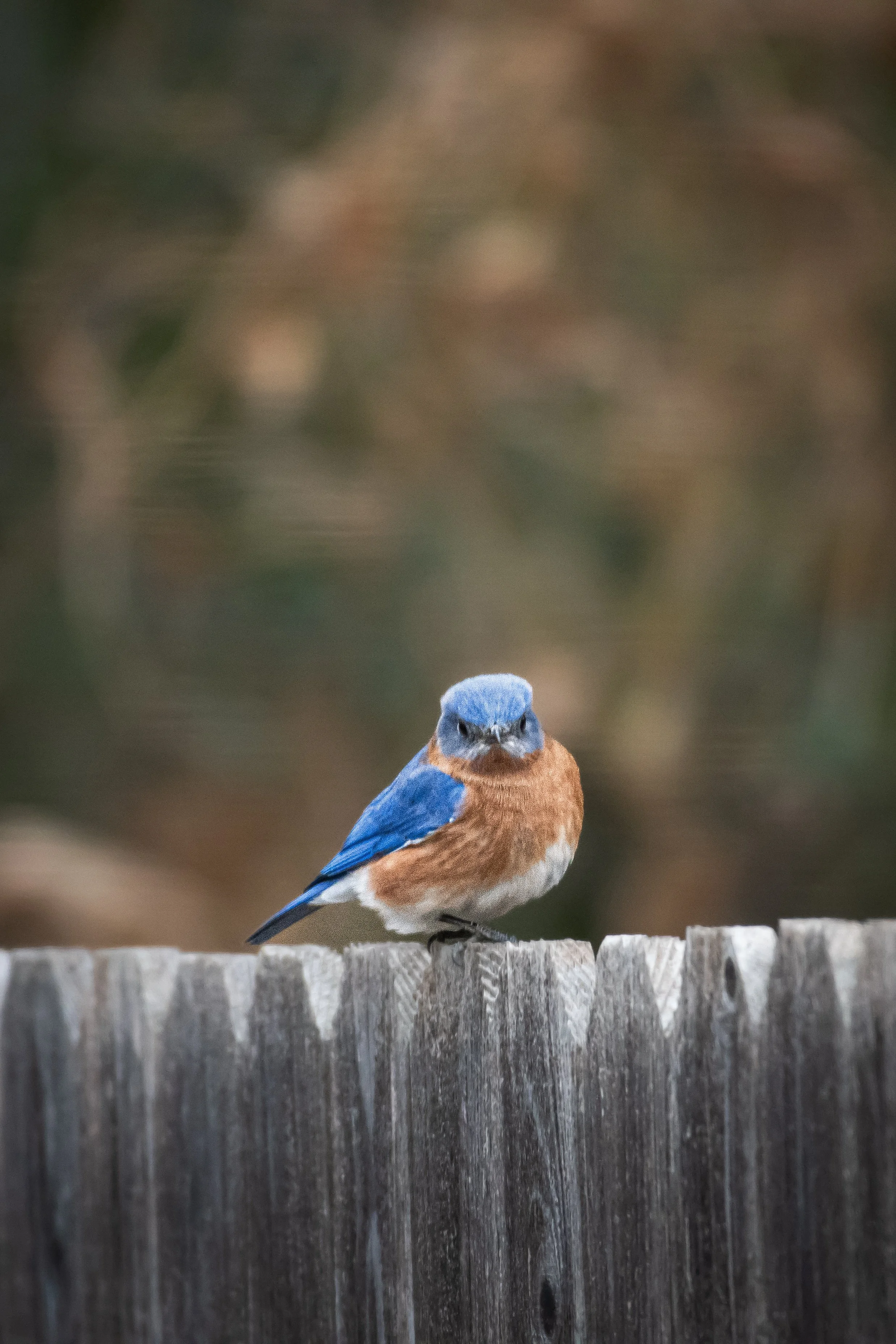
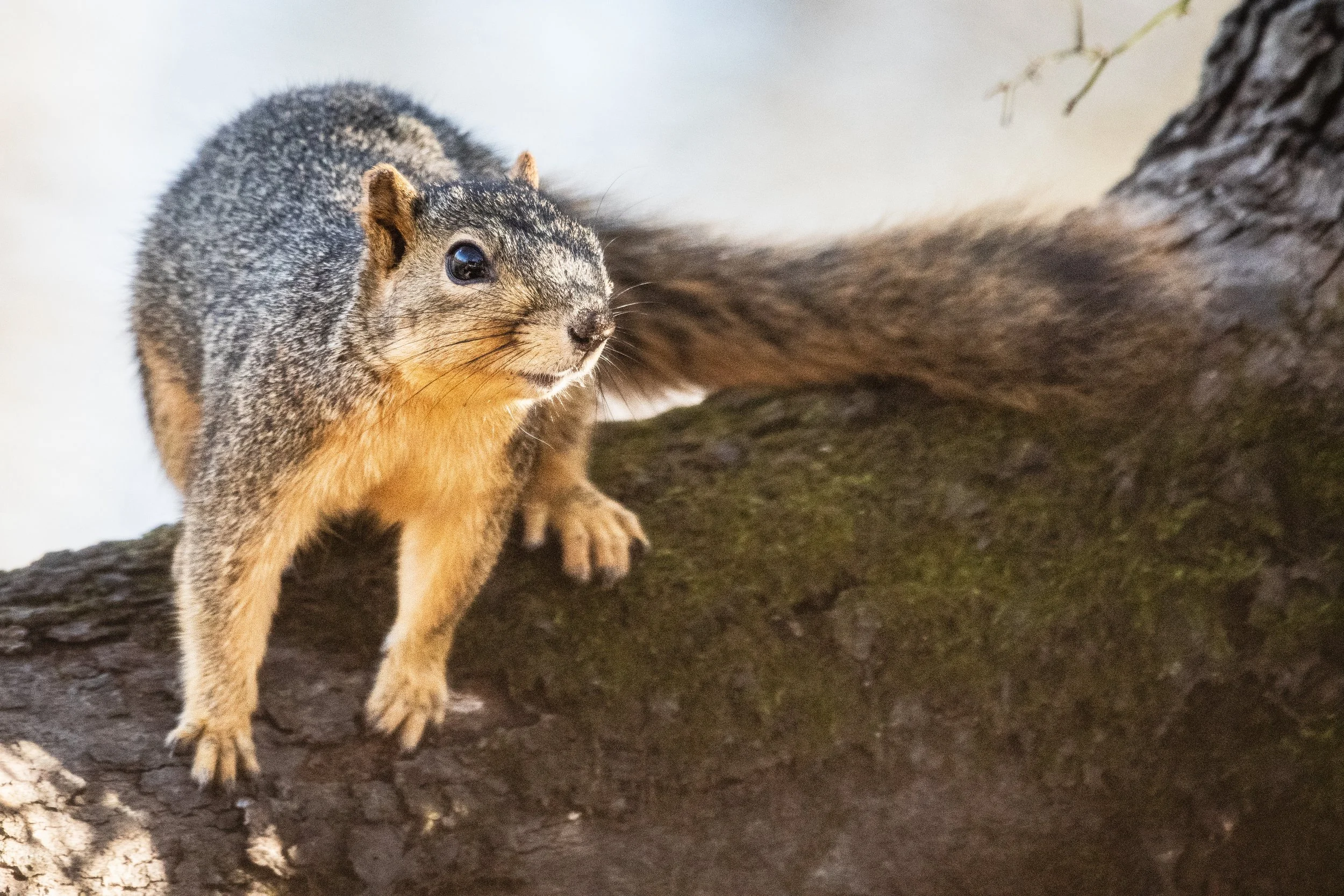
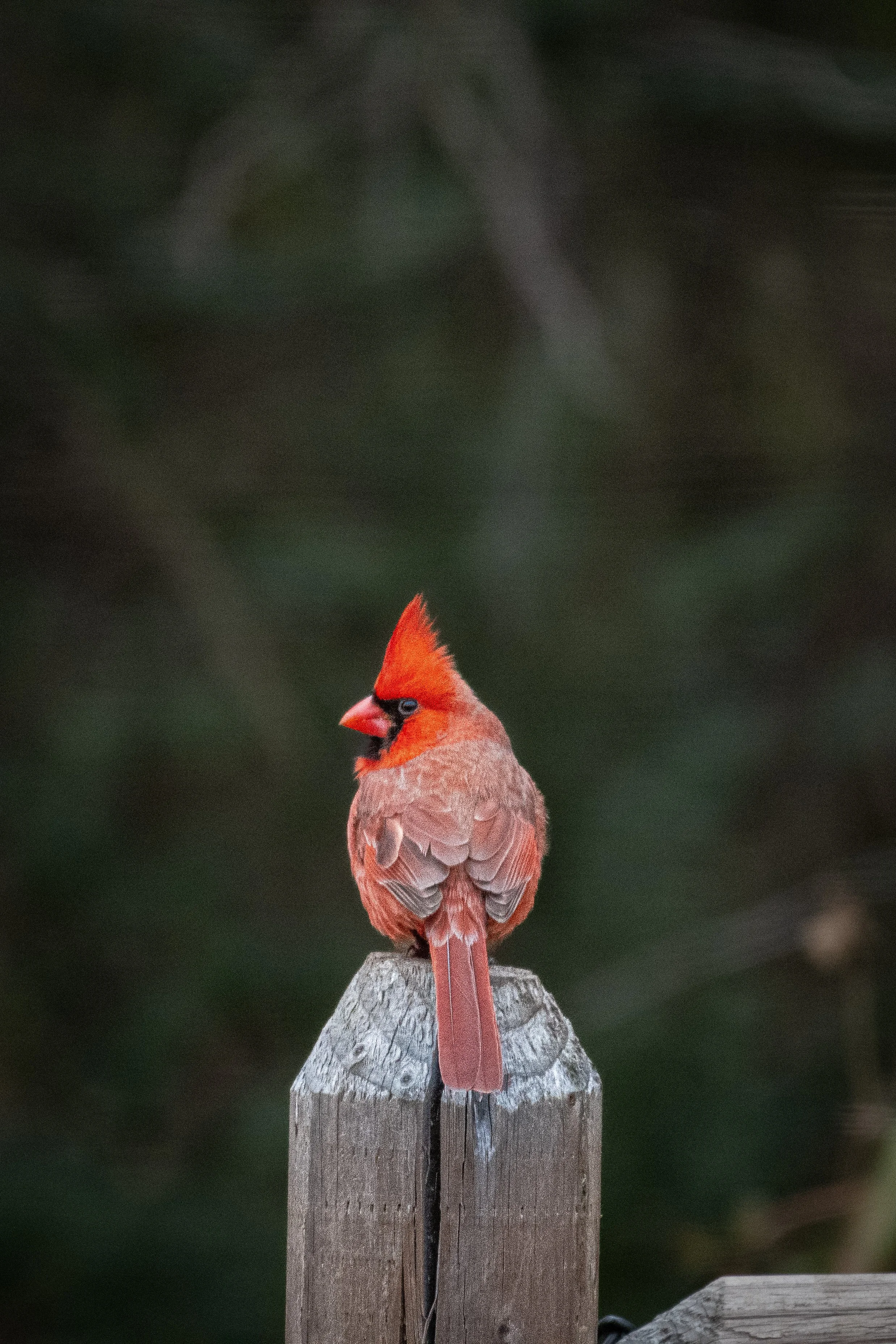
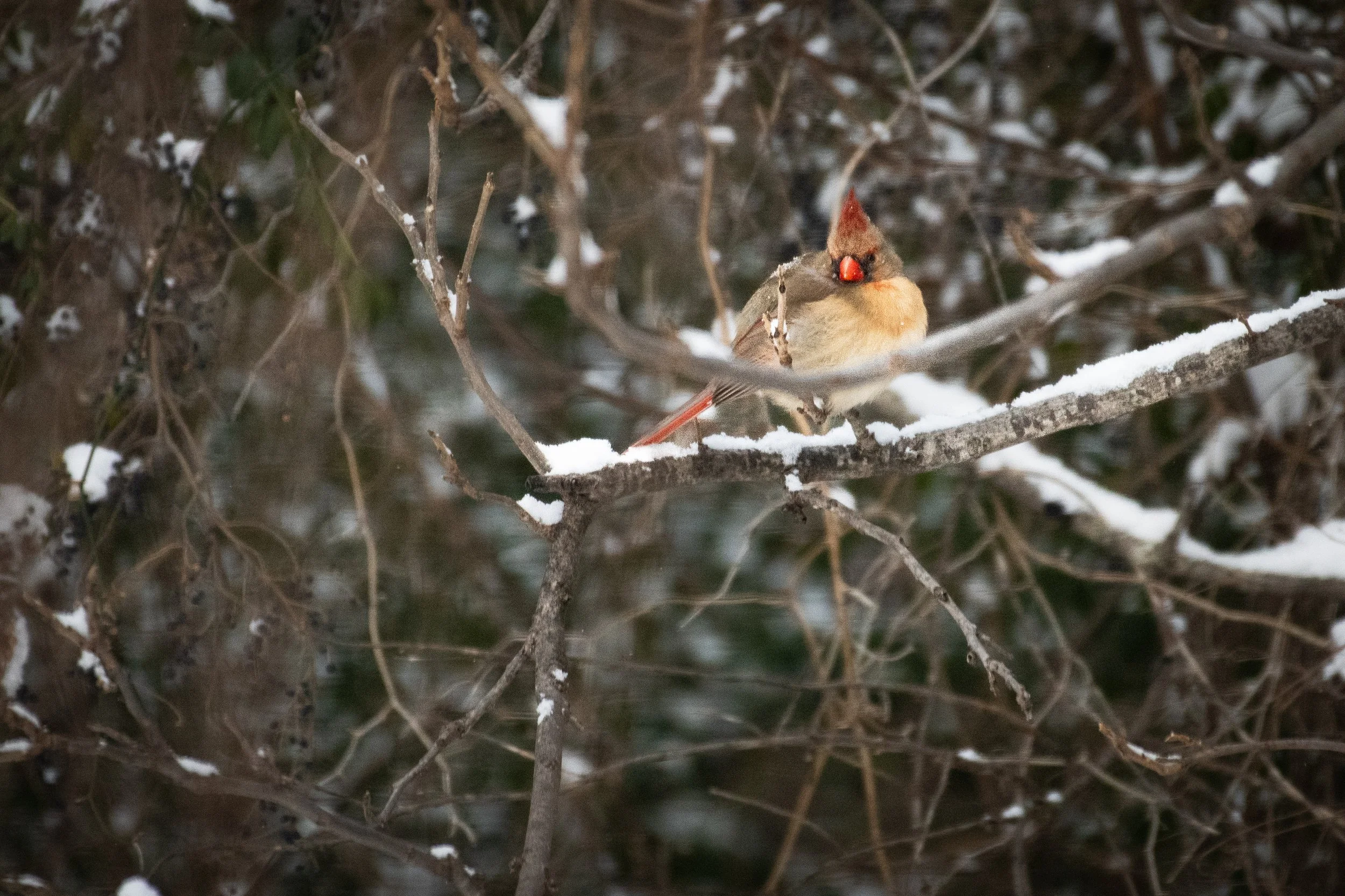
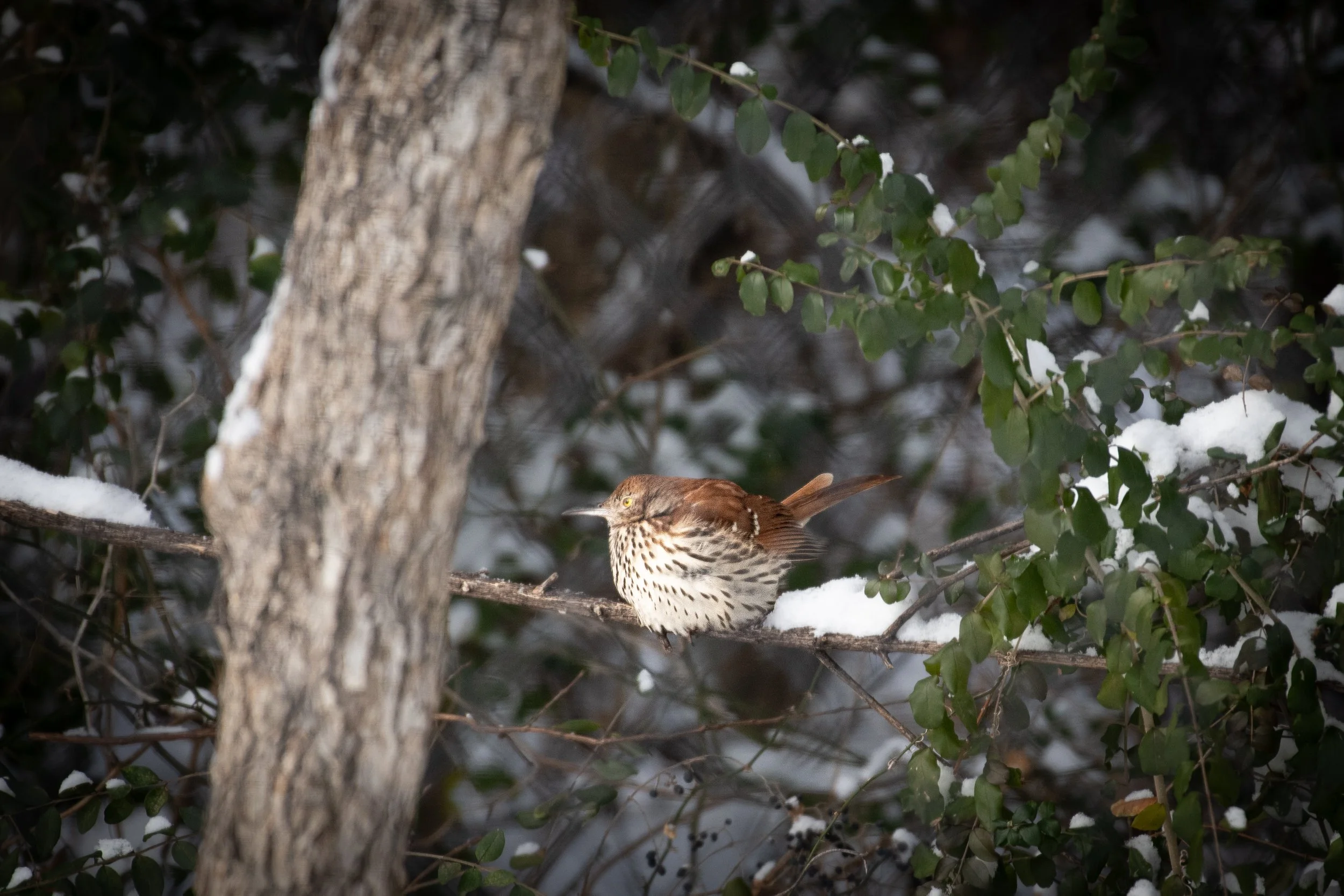
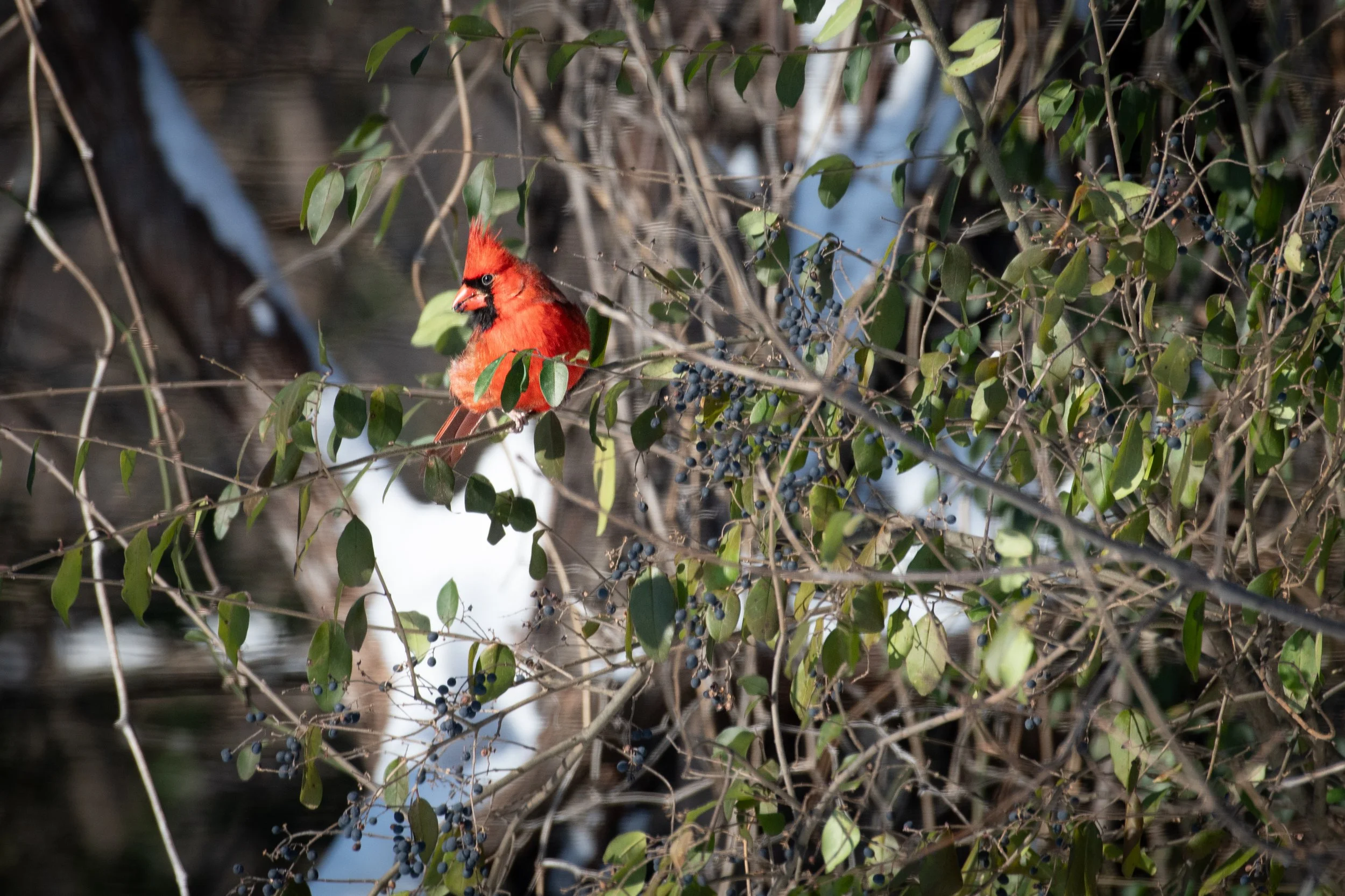
Last year I decided to scratch an itch. Maybe it is my age, but wildlife photography was something that was of a growing interest. In general, the itch was that I had always wanted to shoot with a super telephoto lens. The bulk of my experience had been 200mm and under. Mostly under.
My first hurdle was that I currently shoot with a rangefinder system, which makes anything over 90mm difficult to focus. So I needed to dip my toes into another system to achieve this new direction. Choosing new gear quickly became a point of obsession and led to watching countless YouTube videos. After much research and a thought process from which I will spare you, I purchased the Nikon D500 w/ 200-500mm F5.6. The D500 being an aps-c sensor put this range at 300-750mm effectively. I was going to be photographing sparrows on the moon. Or, so I thought.
The first thing that I realized was that if super telephoto is really what you want, it is never enough. A 200mm lens makes you really wish it was 300mm. A 500mm makes you wish it was 1000mm. The old Capa quote, “If your pictures aren’t good enough, you aren’t close enough” is proven by telephoto lenses. I was hitting the far end of the zoom with consistent force, always wishing I could squeeze out an extra fraction of rotation. Maybe I could achieve just a few… more… mm.
The second thing that I discovered is that while those extra mm are coveted, it is good that they are not there. The distance that 750 effective mm can cover already puts you at risk for several different issues. The shutter speed required at that magnification greatly increases and in many cases calls for a tripod. That would not be such a problem if it did not require higher than clean ISO sensitivity. That would not be an issue if this lens was not limited to a 5.6 aperture. And again, no conflict there if the price of a faster aperture 500mm was not $8k+. Add all that to the fact that the slightest bit of haze or fog can really accumulate within the distance that such a focal length covers. It can make you wonder if a sharp image could even be achieved over 750mm. It did not take long to realize that this was a clear and sunny day lens. Anything less than an abundantly bright day, resulted in noisier images than I personally care to produce. I know that there is plenty of noise reducing software out there, but more editing is not really how I want to spend my time. I found this gear set up, editing process and overall genre more frustrating than enjoyable.
Needless to say, I was quickly discouraged. My dreams of commando crawling through the woods to stalk wild creatures were officially dashed. I am sure I could have pushed through, but after a few short months I decided that I did not care to do so. Give me a camera set up that doesn’t require a suitcase and some good old fashioned human activity to photograph.
This experience was not a total waste. It did increase my respect for those photographers that are out there mastering wildlife photos. This is not a bash on the genre as much as it is a realization that it is simply not for me. Any experience that leads to discovery is a win in my book.
Itch scratched. Equipment SOLD!
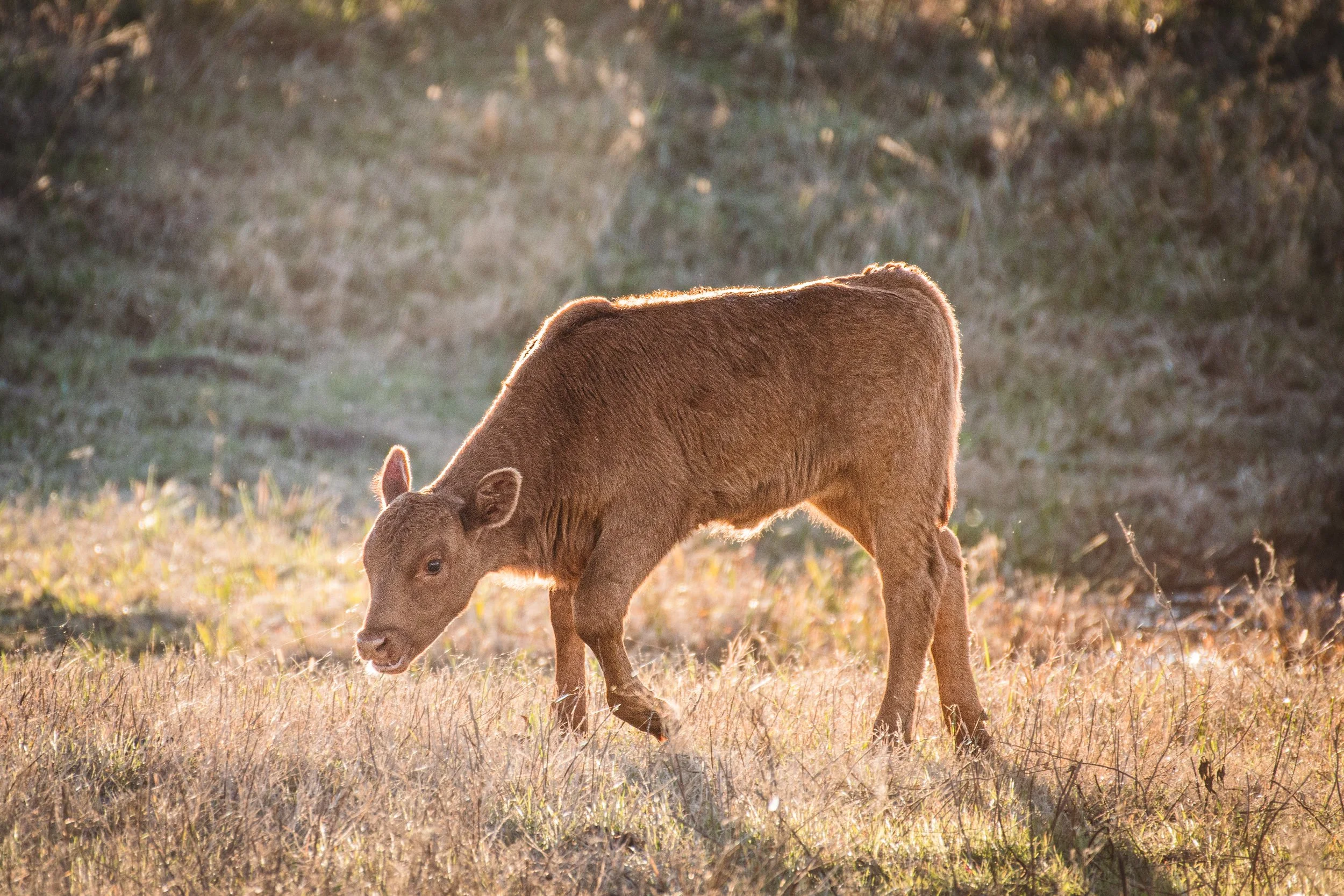
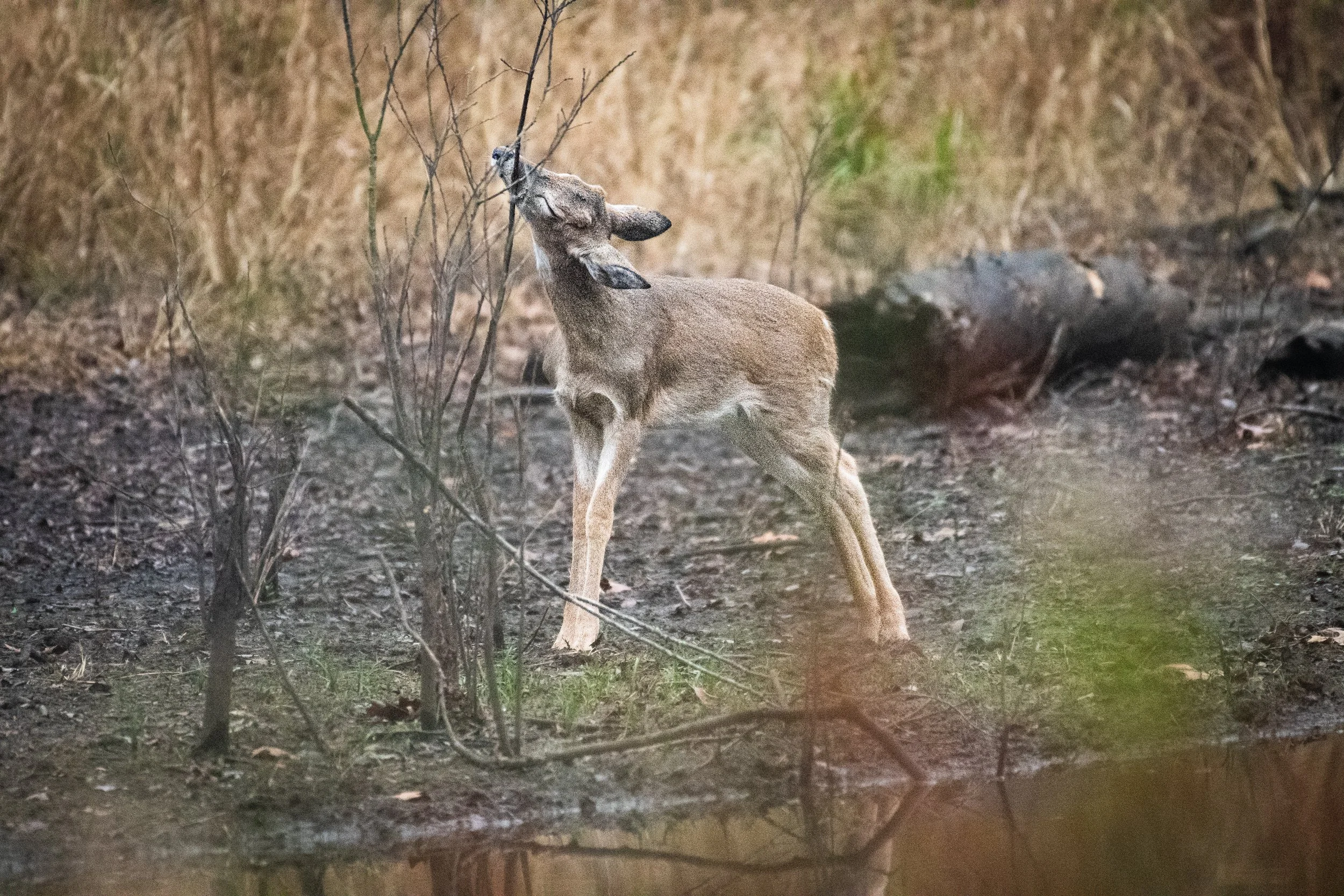
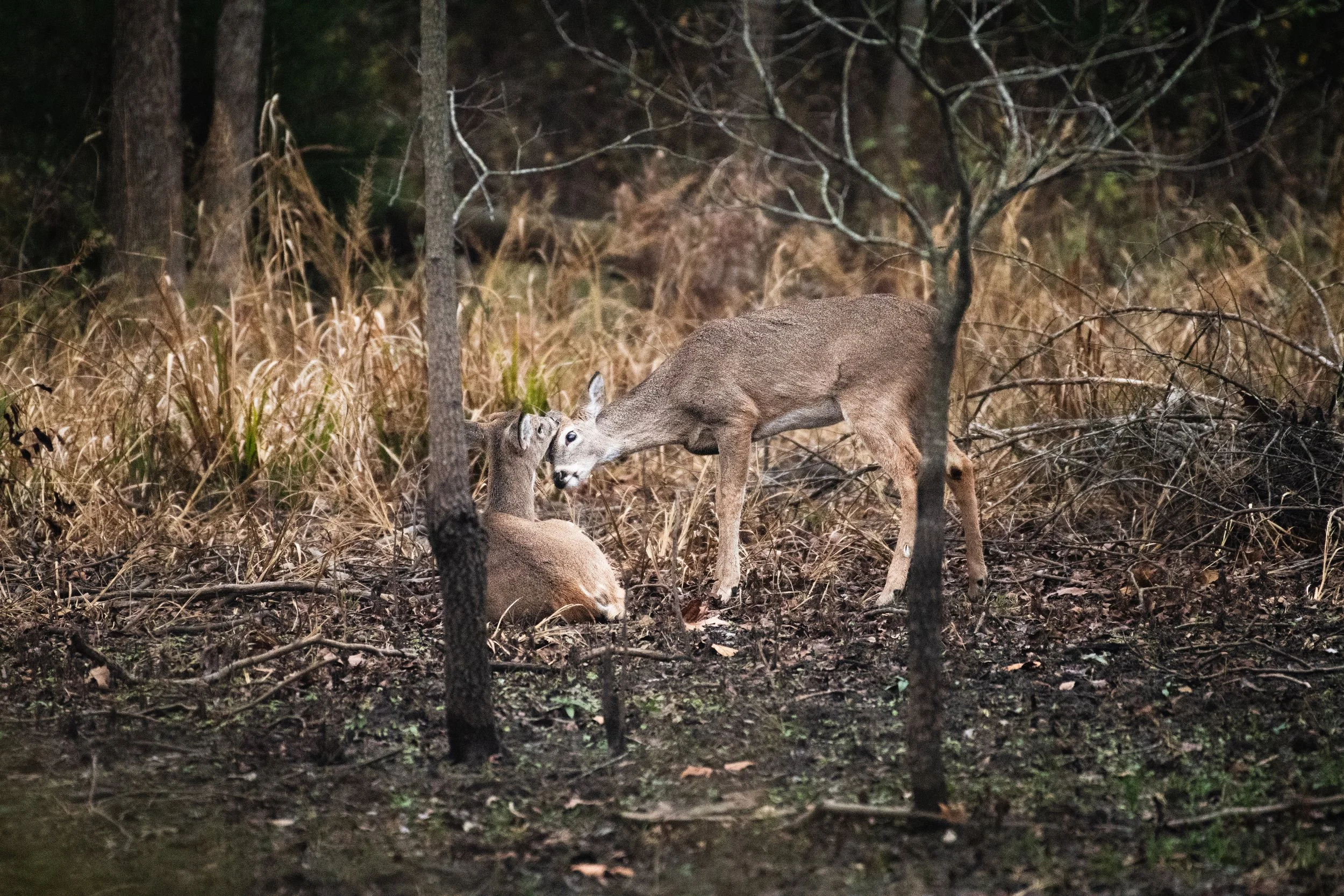
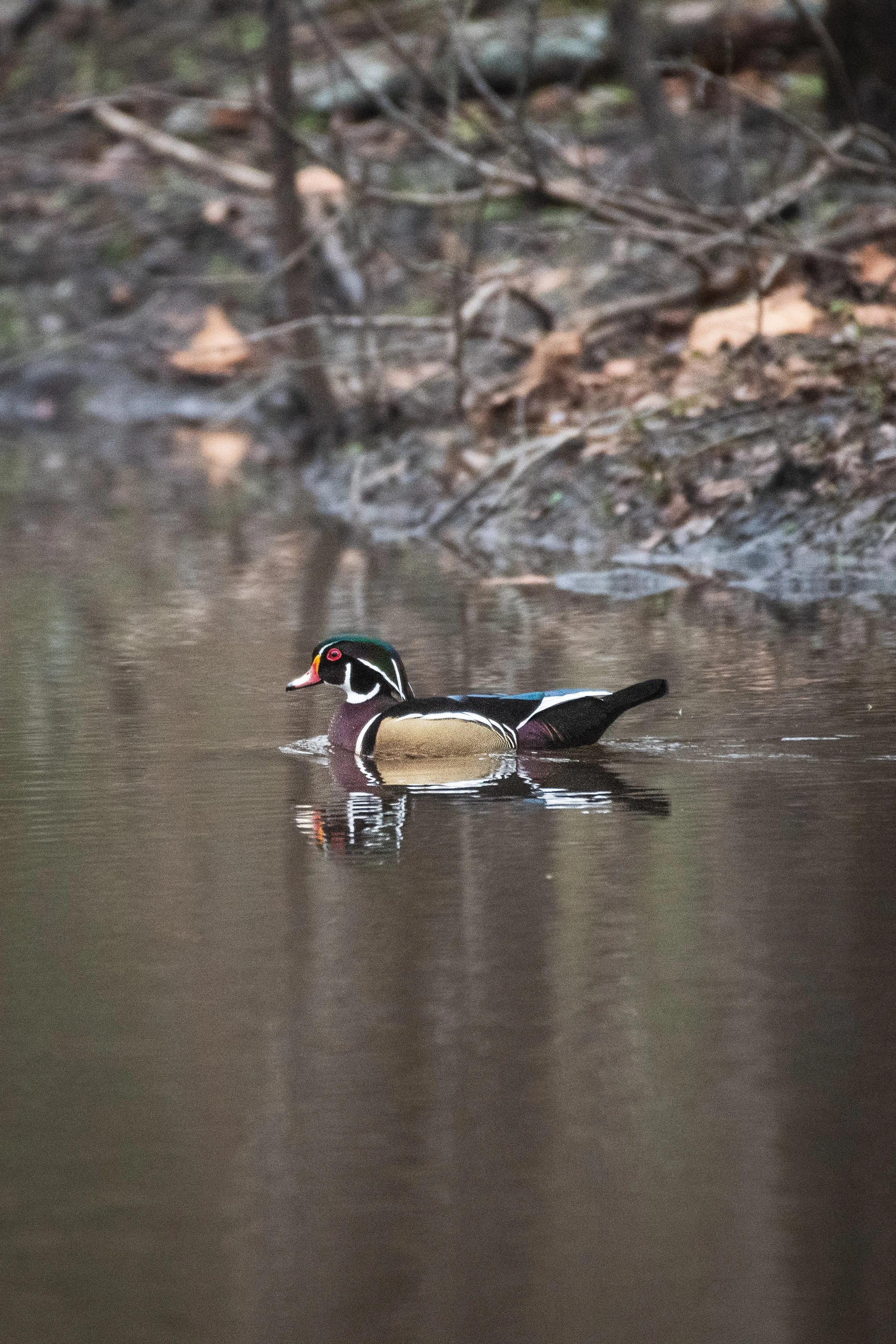
A couple of fast notes before my brief body of wildlife work:
Nikon D500 - Highly recommended. It is a tremendous camera for what you can buy it for these days.
The Nikon AF-s Nikkor 200-500mm f/5.6 ED VR - Meh